Where to recycle bouquets in IG8 and floral waste tips
Posted on 04/10/2026
If you've just finished enjoying a bouquet and now you're left with stems, wrapping, ribbon, and a vase full of tired petals, you're not alone. Knowing where to recycle bouquets in IG8 and floral waste tips can save you time, reduce mess, and help keep usable material out of the bin. In practice, it's not just about "throwing flowers away" - some parts can be reused, some can be composted, and some need to go with general waste depending on what they're made from. The good news? Once you know the system, it's pretty straightforward.
This guide breaks down the best ways to handle bouquet waste in a sensible, local, UK-friendly way. You'll get practical steps, a comparison of disposal options, a checklist, and a few expert tricks that make a real difference. Let's make the whole thing a bit easier, shall we?
Why Where to recycle bouquets in IG8 and floral waste tips Matters
Bouquets feel simple at first glance, but they're often a mixed bag of materials. Fresh flowers, leafy stems, paper wraps, plastic sleeves, foam, ribbons, rubber bands, and even water-soaked packaging can all end up together. If you put the whole lot into one bin without checking, you may contaminate recyclable material or miss a chance to compost something useful.
That matters in IG8 just as much as anywhere else. Local recycling and waste systems are designed around clean, separated materials. A bouquet stripped down properly is much easier to manage than a damp bundle tossed into general rubbish. Truth be told, this is one of those small habits that looks minor but adds up over time.
There's also the practical side. If you buy flowers regularly, perhaps for birthdays, sympathy arrangements, or seasonal gifting, learning a few floral waste tips can reduce clutter and make aftercare much easier. You know that moment when the petals start dropping onto the counter and the ribbon gets tangled around the vase? A little method goes a long way.
And for businesses - florists, offices, venues, care homes, and event spaces - handling floral waste properly supports a tidier working environment and a more thoughtful sustainability approach. Nobody wants an overflowing bin of wilted stems at the end of a busy Friday.
How Where to recycle bouquets in IG8 and floral waste tips Works
The basic idea is to separate bouquet waste by material and choose the most suitable route for each part. Not all flower waste is recyclable in the usual household-recycling sense, and that's where people get caught out. Organic flower material is often best composted or placed in green/food/garden waste streams if your local service accepts it. Non-organic parts usually need to be removed first.
Here's the simple breakdown:
- Flowers and stems: usually compostable if they are plain plant material.
- Leaves and foliage: generally compostable too, as long as they're not heavily treated or mixed with non-organic material.
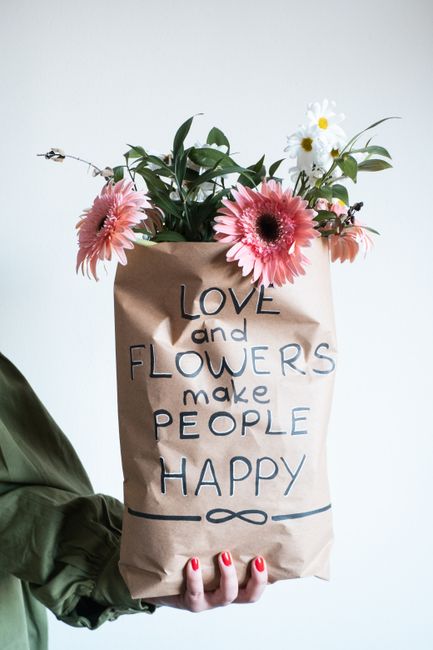
- Paper wrap: may be recyclable if clean, dry, and free of glitter, foil, plastic lining, or heavy adhesive.
- Plastic wrap or sleeves: often not accepted in standard recycling unless the packaging is specifically recyclable and local guidance says so.
- Ribbon, wire, pins, foam, and ties: normally not recyclable at home and should be separated out.
That separation step is the whole game. Once you've split the bouquet into its material types, disposal becomes much easier. In many homes, the quickest routine is: remove decor, sort the organic material, flatten clean paper packaging, and place the rest in the correct bin or reuse it where possible.
If you're buying flowers through a florist, it can help to choose arrangements with less mixed packaging from the start. Browsing a local florist in Woodford E18 or looking at simpler bouquet styles can reduce waste before you even get home. That's a small win, but a real one.
Key Benefits and Practical Advantages
Doing bouquet disposal properly gives you more than a tidy kitchen bin. It's a habit that pays off in a few concrete ways.
- Less waste to landfill: organic flower matter can often be composted instead of thrown away.
- Cleaner recycling streams: removing plastic, ribbon, and foam prevents contamination.
- Better home organisation: flowers are easier to clear away before they become messy and mushy.
- Lower fuss after events: if you host gatherings, weddings, or office celebrations, the post-event cleanup is smoother.
- More mindful buying: once you notice packaging, you naturally start choosing better bouquets.
There's another benefit that gets overlooked. When you get used to stripping bouquets into separate materials, you become faster at spotting what can be reused. That paper wrap might work for lining a gift box. A clean ribbon can be reused for a card bundle. The vase, of course, can be washed and kept for next time. Simple stuff, but helpful.
For people who send flowers regularly, especially if you like same-day surprises, pairing your purchase with thoughtful aftercare makes the whole experience feel more considered. If you often send blooms in the area, services like same-day flower delivery in Woodford E18 are handy for the gift itself, and the waste tips in this article help once the flowers have had their moment.
Who This Is For and When It Makes Sense
This guide is useful for a surprisingly wide group of people. If you have fresh flowers in your home, office, event venue, or care setting, you'll probably benefit from it.
- Households: for birthdays, anniversaries, apologies, sympathy flowers, or just because.
- Gift senders: if you regularly send bouquets and want a more sustainable follow-through.
- Event planners: for weddings, receptions, corporate events, and seasonal displays.
- Florists and local teams: to improve packaging choices and customer guidance.
- People with compost bins: who want to know what can and cannot go in.
It makes sense any time flowers are past their best. That could be two days after a hot spell, a week after a birthday, or simply the point where the water smells a bit stale and the petals are shedding everywhere. If the bouquet has started leaning on one side like it has given up on life, it's probably time.
One more note: if the flowers were used in a formal tribute or memorial arrangement, take a little extra care. Some wreaths and sprays contain structural materials or floral foam that need separating out. If you're choosing arrangements for remembrance in the first place, browsing a dedicated range like funeral flowers in Woodford E18 can help you pick something appropriate and easier to handle later.
Step-by-Step Guidance
If you want a practical routine, here's the easiest way to deal with a bouquet once it has faded.
- Take the bouquet apart on a clean surface. A kitchen counter or table works well. Spread out newspaper or an old bag if you want less mess.
- Remove anything non-plant based. Pull off ribbon, clips, tape, cellophane, pins, foam, and decorative picks.
- Sort the flowers and foliage. Fresh stems, leaves, and petals are usually suitable for composting or organic waste collection where accepted.
- Check the wrapping. Clean paper wrap may be recyclable; glossy, laminated, or plastic-lined wrap usually is not.
- Rinse and save reusable items. Wash vases, jars, flower food containers, and any reusable ribbon or card tags.
- Dispose of the rest correctly. Put compostable material in the right organic bin or home compost, and general waste in the residual bin if needed.
A useful rule is this: if you can't confidently identify the material, don't force it into recycling. That's a common mistake. A not-quite-right item in the wrong bin can cause more trouble than it saves.
If you compost at home, chop stems into smaller pieces to speed things up. Woody stalks take longer than soft petals, so mix them with other green and brown materials if you can. And if you're not sure your compost pile is ready for flowers with preservatives or mixed packaging, keep it simple and exclude the unknown bits.
Expert Tips for Better Results
Here's where small decisions make a noticeable difference. These are the kinds of things people often miss until they've dealt with a few bouquets and got fed up with sticky tape and soggy paper.
- Choose simpler packaging upfront. If you know you'll be disposing of flowers later, less plastic and less foam is always easier.
- Keep a small "flower waste" sorting spot. A tray, bowl, or spare paper bag near the sink can make clean-up more efficient.
- Save clean wraps for reuse. Some paper wraps can be reused for crafts, drawer liners, or gift wrapping.
- Dry out ribbons before storing them. Wet ribbon can smell odd and go limp very quickly. Not ideal.
- Empty vase water before flowers collapse. This cuts down on smells and makes the rest easier to manage.
One practical trick: if your bouquet came in a mixed presentation, separate the sturdy parts first while they're still reasonably fresh. It's much easier to untie ribbon and peel away packaging when the stems haven't fully wilted. By the next morning, everything can feel a bit like wet salad. Charming, in a way, but not great to handle.
If you buy arrangements often, consider flower types that tend to be easier to manage after display. Some people prefer classic stems, while others like more structured bouquets. A browse through flower care guidance can also help you keep blooms fresh longer, which means less waste in the first place. That's the better outcome, really.
Common Mistakes to Avoid
A lot of bouquet waste ends up in the wrong place because people are in a rush. Fair enough - life happens. Still, a few common mistakes are easy to avoid.
- Putting the whole bouquet in recycling. Mixed materials, wet paper, and floral foam can contaminate the lot.
- Ignoring plastic sleeves. Clear plastic is still plastic, and it usually needs separating out.
- Leaving ribbon and wire attached. Tiny bits of non-recyclable material cause problems later.
- Composting heavily treated or unknown materials. When in doubt, keep unusual packaging out of home compost.
- Forgetting the vase and water. The mess often starts there, not with the flowers themselves.
Another one: assuming all paper packaging is recyclable. Not quite. If the wrap has a shiny finish, foil detailing, glue-heavy decoration, or a plastic layer, it may need general waste instead. It's annoying, yes, but better to be accurate than optimistic.
And if you're arranging flowers for a big event, don't leave the sort-out until the last minute. Gather the packaging and waste in one place as you go. Otherwise you end up with half a dozen little piles around the room, which nobody wants. Not even the tidy person.
Tools, Resources and Recommendations
You do not need fancy equipment to manage floral waste well. A few basic items are enough.
- Kitchen scissors or secateurs: helpful for trimming stems into compost-friendly pieces.
- Reusable bowl or tray: a simple way to collect petals, stems, and packaging while sorting.
- Paper bags: useful for separating mixed bouquet waste before disposal.
- Compost caddy: handy if you regularly generate organic kitchen and floral waste.
- Storage tin or drawer: for keeping reusable ribbons, tags, and sturdy wrap.
For people choosing flowers with a sustainability mindset, it helps to start with well-presented arrangements and sensible wrapping. Browsing options like sustainability information can give you a better idea of the materials and practices behind the bouquet. That doesn't solve everything, but it helps you buy with a clearer head.
If you're deciding between more economical and more elaborate bouquets, it can be worth thinking about waste too. Sometimes a simpler arrangement creates less material without looking any less lovely. If budget matters, a page like cheap flowers in Woodford E18 may be useful, especially if you want good value without excess packaging.
And if you're often ordering for special occasions, you might also look at best flower delivery in Woodford E18 or a local flower shop in Woodford E18 that suits your style. The more you understand the supply side, the easier it is to manage the waste side, too.
Law, Compliance, Standards, or Best Practice
For most households, bouquet disposal is mainly a matter of good sorting and local waste rules. You don't need to overcomplicate it. Still, a few best-practice principles are worth keeping in mind in the UK.
First, check local waste guidance for organic waste, garden waste, and recycling acceptance. Councils can differ slightly on what they accept, especially around food waste, garden waste, and mixed paper. If you are unsure, treat bouquet material conservatively: clean organic matter may go to compost or organic waste where permitted, while mixed or contaminated packaging should go to general waste.
Second, florist waste and event waste should be handled with clear separation. In business settings, good waste separation is often just common sense, but it also helps with cleaner premises and fewer disposal issues. For corporate customers, a local supplier's corporate service page may be useful when planning recurring orders and cut-down packaging choices. If that's relevant, corporate accounts can support a more organised ordering routine.
Third, if flowers are part of memorial, wedding, or public-facing displays, make sure decorative materials do not get confused with recyclable material. Floral foam, wired holders, and plastic-based accessories are typically the items to keep separate. Best practice is simple: sort first, bin second.
Finally, do not assume "compostable" means suitable for every compost system. Some materials break down at different speeds, and some mixed products are only compostable in specific industrial conditions. If a label is unclear, err on the side of caution. That's usually the sensible option.
Options, Methods, or Comparison Table
Different disposal routes suit different parts of a bouquet. Here's a straightforward comparison to help you decide quickly.
| Material | Best option | Notes |
|---|---|---|
| Fresh flowers | Home compost or organic waste | Remove non-organic items first; chop stems if composting. |
| Leaves and soft stems | Home compost or organic waste | Usually fine if they're plain plant material. |
| Paper wrap | Paper recycling or reuse | Only if clean, dry, and free from plastic coating or heavy decoration. |
| Plastic sleeve | General waste or specialist recycling if accepted locally | Check local guidance; many sleeves are not suitable for home recycling. |
| Ribbon, wire, tape, foam | General waste | Usually not recyclable in standard domestic systems. |
There isn't one perfect method for every bouquet. A wedding arrangement with foam and wired stems is different from a simple mixed bunch bought for the kitchen table. The right approach depends on the materials, how clean they are, and what your local system accepts.
If you often send flowers rather than buy them for yourself, you may prefer arrangements that are easier to break down later. Some customers like broad, colourful mixed bouquets; others prefer cleaner, simpler designs that create less residue. If you're in that second camp, browsing send flowers options can help you choose thoughtfully.
Case Study or Real-World Example
Here's a very ordinary, very realistic example from a typical week. A customer receives a mixed bouquet on Friday evening: roses, greenery, tissue wrap, clear plastic sleeve, ribbon, and a card tag. By Sunday morning, the water is cloudy and a few petals are on the table. Nothing dramatic. Just normal life.
Instead of throwing the whole bouquet into one bin, they separate it in three minutes:
- the flowers, leaves, and stems go into a compost caddy
- the ribbon and plastic sleeve go into general waste
- the paper wrap is checked, kept if clean, and flattened for reuse
- the vase is rinsed and left to dry
That tiny bit of sorting means far less waste going to the wrong place. It also makes the kitchen feel instantly calmer. You notice it especially in the morning, when the sink is clear and there's no damp bouquet in the way.
In a small office setting, the same approach works after birthday celebrations or farewells. One person handles the flowers, another collects the cards, and the packaging gets separated before it becomes a squashed mess. Not glamorous, but effective. Sometimes that's all you need.
Practical Checklist
Use this quick checklist when you're dealing with bouquet waste at home or at work.
- Remove ribbon, wire, tape, foam, pins, and plastic sleeves.
- Check whether paper wrap is clean and dry before recycling or reusing it.
- Separate flowers, stems, leaves, and petals for composting or organic waste.
- Rinse the vase before residue builds up.
- Keep reusable tags, cards, and ribbons if they're in good condition.
- Do not put mixed-material items into recycling just because part of them is paper.
- Follow local organic waste guidance if your area provides a dedicated collection.
- If in doubt, put contaminated or mixed items in general waste rather than risking recycling contamination.
- Think ahead the next time you buy flowers: simpler packaging usually means simpler disposal.
Expert summary: the easiest bouquet waste routine is separation, then sorting, then composting or disposal by material. If you do those three things consistently, you'll handle floral waste far more cleanly and with much less effort. It's not complicated. It just needs a bit of habit.
Conclusion
Once you know where to recycle bouquets in IG8 and how to deal with floral waste properly, the whole process stops feeling messy and vague. Fresh flowers can be composted or placed in organic waste where accepted, clean paper wrap may be reused or recycled, and mixed decorative materials can be separated without much fuss. That's the real trick: don't treat a bouquet as one item. Treat it as a handful of materials that each need their own route.
Whether you're clearing up after a birthday, managing office flowers, or simply trying to be a bit more thoughtful at home, small changes make the job easier. Keep the good bits. Separate the rest. And if you can choose simpler packaging next time, even better.
Get a free quote today and see how much you can save.
And if all you do after reading this is save one ribbon, compost one stem, or avoid one contaminated bin, that still counts. Small wins matter more than people think.

Frequently Asked Questions
Can I put bouquet flowers in my compost bin?
Usually, yes, if they are plain plant material such as fresh flowers, leaves, and stems. Remove ribbon, plastic, wire, foam, and other non-organic parts first.
Are flower stems recyclable?
Not in standard recycling. Stems are usually better suited to composting or organic waste, depending on what your local service accepts.
Can I recycle the plastic sleeve from a bouquet?
Often not in normal household recycling unless your local guidance specifically allows it. Clear plastic sleeves are commonly treated as general waste.
What should I do with floral foam?
Floral foam is usually not recyclable in domestic systems. Remove it from the arrangement and place it in general waste unless a specialist disposal route is available locally.
Can brown paper flower wrap go in recycling?
Yes, sometimes, if it is clean, dry, and uncoated. If it has glitter, foil, plastic lining, or heavy adhesive, it may not be suitable.
How do I stop bouquets from making my kitchen smell?
Empty the vase water promptly, rinse the vase, and remove fading stems before they break down. The smell usually starts with stale water, not the flowers themselves.
Is it better to compost flowers or throw them away?
If composting or organic waste collection is available and the flowers are plain plant material, that is usually the better option. Mixed or contaminated items should be separated out first.
Can I reuse bouquet ribbons and packaging?
Yes, if they are clean and in good condition. Ribbon, plain paper wrap, and even card tags can often be reused for gifts or storage.
What's the easiest way to sort a mixed bouquet?
Take it apart on a flat surface, remove all non-plant materials first, then separate the organic waste from paper and plastic. Keep a small bag or tray nearby to avoid a mess.
Do local waste rules in IG8 affect how I dispose of flowers?
Yes, local collection options can affect whether flowers go into a compost, garden waste, or general waste stream. It is always safest to follow your local waste guidance if you are unsure.
Can I put dead flowers in green waste?
If your local green waste service accepts floral material, then yes. If not, home composting may be an option, or they may need to go in general waste.
What is the best bouquet type if I want less waste?
Simpler bouquets with less plastic, less foam, and fewer mixed decorations are usually easiest to dispose of responsibly. They also tend to be easier to care for while fresh.